Scaling Up Cross-border Green Investments Between Malaysia and China via Sustainable Finance Capacity Development
How financial partnerships unlock value and raise bankability of green projects.
 by
by 
How financial partnerships unlock value and raise bankability of green projects.
by 
By CASI
Southeast Asia is grappling with intertwined challenges of intensifying climate change, widening sustainable financing gaps, and the shifting global multipolar order — exacerbated by energy insecurity, Middle East geopolitical tensions, and global supply chain disruptions. These compound risks hinder the region’s green transition, elevating sustainable finance from a policy priority to an economic imperative.
Yet, sustainable finance frameworks and taxonomies across Southeast Asia, including Malaysia, remain fragmented and at varying implementation stages. To bridge this gap, translating political commitments into actionable policies and investable green projects hinges critically on sustainable finance capacity development — a cornerstone for unlocking cross-border green investment potential, particularly between Malaysia and China.
Against global economic headwinds, China has demonstrated robust macroeconomic resilience whilst prioritising overseas green investments, with a strong focus on ASEAN’s renewable energy, electric vehicle (EV), and low-carbon sectors.
Malaysia, as ASEAN’s leading hub for sustainable and Islamic finance, boasts unique institutional and market strengths, positioning it as a pivotal regional gateway for China’s cross-border green capital flows into Southeast Asia. As both nations strengthen their sustainability policy frameworks, building capacity among stakeholders in sustainable finance and investments has become more urgent than ever — it is the key to ensuring the success of bilateral green initiatives and enhancing resilience against future global shocks.
Against the backdrop of global geopolitical crises and volatile fossil fuel prices, energy transition has emerged as a core component of national energy security strategies worldwide. For Malaysia, this underscores the significance of its National Energy Transition Roadmap, which aims for net-zero emissions and 70% renewable energy capacity by 2050.
The country holds substantial untapped potential in solar, hydropower, and palm biomass — resources that can advance both climate ambition and energy resilience. However, realising this potential requires not only capital but also the technical and institutional capacity to design bankable green projects, align with international standards, and attract cross-border investment.
China’s leadership in clean energy industries stems from years of consistent policy support, strategic planning, and targeted capacity building — experiences that offer valuable lessons for Malaysia and other ASEAN economies. For instance, in April 2026 alone, China’s new energy vehicle (NEV) penetration exceeded 61%, up from 50% year-on-year; in the first four months of 2026, NEV sales reached 4.3 million units, with exports surging 100% year-on-year to 1.38 million units.
This structural shift in the transport sector is driven by a robust ecosystem of green finance policies, capacity building for market participants such as awareness raising, and coordinated regulatory frameworks — elements that Malaysia can learn from to scale its own green industries and facilitate cross-border collaboration.

Chinese companies are already active in Malaysia’s clean energy sector, leveraging bilateral complementary strengths to build an integrated regional low-carbon value chain. Beyond energy transition, bilateral green investment opportunities span sustainable infrastructure, green ports, circular economy, and climate-resilient agriculture — all of which depend on enhanced capacity to develop standardised projects, verify sustainability impacts, and align with cross-border green finance norms. For example, sustainable palm oil certification, waste-to-energy projects, and climate-smart agricultural technology require stakeholders on both sides to possess the capacity to assess project viability, manage climate risks, and comply with sustainability standards.
Climate adaptation, an underfunded yet strategically critical area, further highlights the need for capacity development. ASEAN faces growing climate resilience needs, but global adaptation finance remains scarce. Aligning Malaysia’s (and Southeast Asia’s) adaptation finance frameworks with China’s financial sector climate screening criteria can unlock cross-border investment in coastal protection, flood mitigation, and disaster-resilient infrastructure. China’s experience in developing sponge cities — funded by green bonds and loans with adaptation components — offers a practical model for Malaysian policymakers, but successful replication requires capacity building in policy design, project appraisal, and green financing tools.
In an era of regulatory uncertainty and rapid climate action, sustainable finance capacity development is no longer optional — it is a foundational enabler of green capital flows. Despite growing policy ambitions, developing economies like Malaysia face bottlenecks in scaling their sustainable finance markets, including limited expertise in green project appraisal, inconsistent implementation of sustainable finance taxonomies, and gaps in climate risk evaluation. These challenges reduce project bankability, delay capital deployment, and hinder cross-border green investment – all of which can be mostly addressed through targeted bilateral capacity building between Malaysia and China.
China’s sustainable finance market offers a compelling model for capacity development. By the end of 2025, China’s outstanding green loans reached RMB44.8 trillion (approximately MYR26.1 trillion), with cumulative green bond issuances totaling RMB5.2 trillion— and 2025 marked the first year new green bond issuances exceeded RMB1 trillion since the market’s launch in 2016.
This success is rooted in strong policy leadership, regulatory coordination, and systematic capacity building for market participants, including unified taxonomies, disclosure requirements, and training programmes for financial institutions and enterprises. China’s central bank, the People’s Bank of China, has also demonstrated global leadership in sustainable finance, co-chairing the G20 Sustainable Finance Working Group since 2016 and being a founding member of the Network for Greening the Financial System (NGFS) — experiences that can inform Malaysia’s capacity development efforts.
For Malaysia and other emerging and developing economies, capacity building must address three core areas to unlock cross-border green investment: institutional capacity, technical expertise, and market alignment.
First, regulators and policymakers need capacity to design and implement coherent sustainable finance frameworks, including taxonomies and disclosure rules. While over 40 jurisdictions have introduced or plan to introduce sustainable finance taxonomies, many lack the capacity to effectively implement these tools — leading to confusion among market participants (e.g. determining whether a loan for solar panel retail should be labelled as renewable energy, green working capital, or green retail service).
Second, financial institutions require training in green project screening, climate risk assessment, and low-carbon project verification to improve decision-making and reduce risk aversion to green investments.
Third, enterprises need support to develop bankable green projects that meet cross-border standards, enabling them to attract capital from both domestic and international sources.
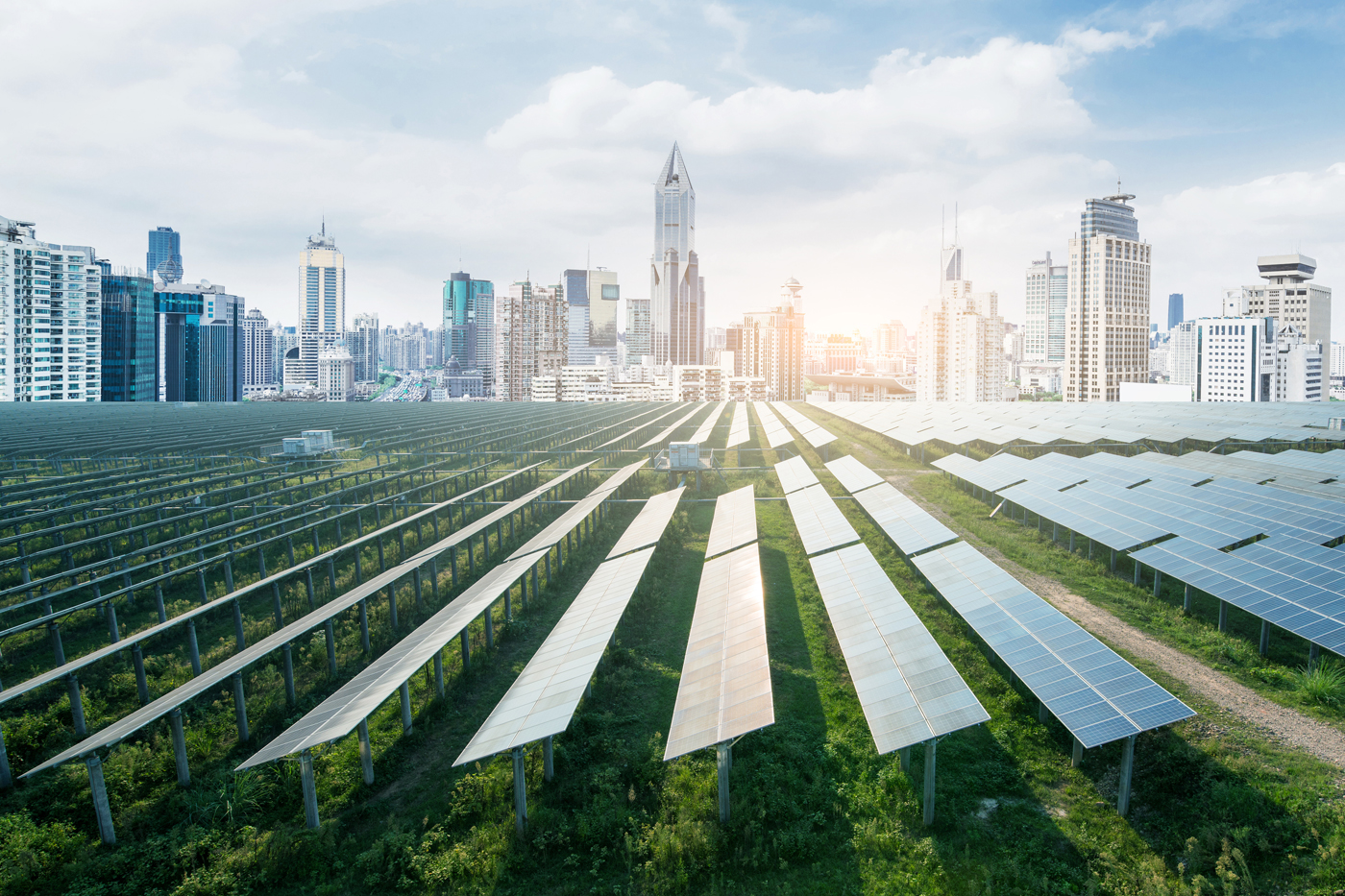
Notably, capacity development is a two-way process: Malaysia also brings unique strengths to the partnership, particularly in Islamic green finance and sukuk markets. By combining China’s experience in mainstream green finance with Malaysia’s expertise in Shariah-compliant sustainable products, the two nations can co-develop localised capacity development systems that mobilise both domestic and international capital for green investments.
Practical capacity building initiatives are essential to equipping Malaysian and Chinese stakeholders with the skills and insights needed to scale cross-border green investment. These initiatives not only enhance technical expertise but also foster mutual understanding, facilitate information sharing, and create networking opportunities that directly drive investment collaboration.
The sustainable finance partnership between Malaysia and China is not merely economically beneficial — it is strategically critical for both nations’ positioning in the region and global climate action. As their sustainable finance markets grow and institutionalise, scaling cross-border green investment will depend on sustained focus on capacity building, market readiness, and practical cooperation.
Moving forward, policy-makers, regulators, and financial institutions in both countries should prioritise multiple interrelated goals: strengthening institutional capacity for project preparation, taxonomy implementation, and climate risk management; deepening policy alignment in taxonomies, industrial decarbonisation, and adaptation finance to reduce market frictions; and expanding capacity building initiatives across diverse formats — in-person workshops, online training, video-based learning, and study tours — to reach a broader range of stakeholders.
By prioritising sustainable finance capacity development, Malaysia and China can unlock their full cross-border green investment potential, enhance regional energy security, scale green trade, and deepen integration. This partnership will not only advance their respective national sustainable development goals but also serve as a model for how bilateral cooperation can address climate resilience and promote shared prosperity — proving that capacity development is the key to turning green ambition into actionable, scalable impact.
Capacity-building Alliance of Sustainable Investment (CASI) is a capacity-building initiative that helps financial institutions, regulators, and market participants strengthen practical skills in sustainable and transition finance. CASI convenes global experts and local practitioners to translate standards, tools, and policy developments into actionable learning and implementation support through forums, seminars, technical assistance, and e-learning.